

 |
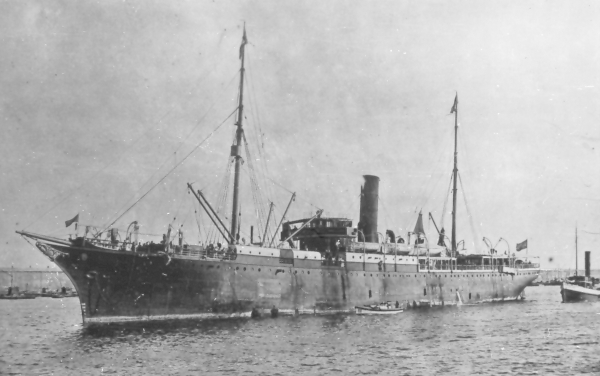
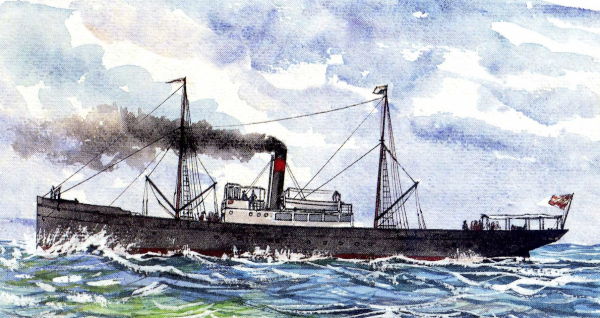
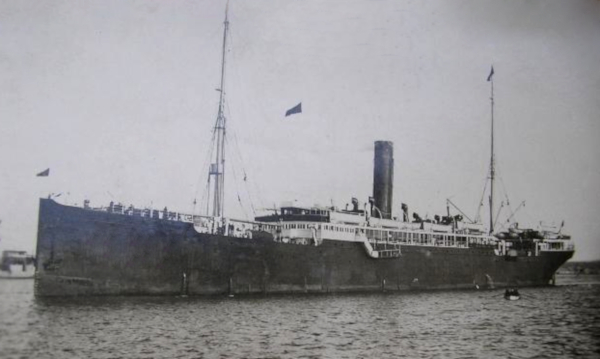
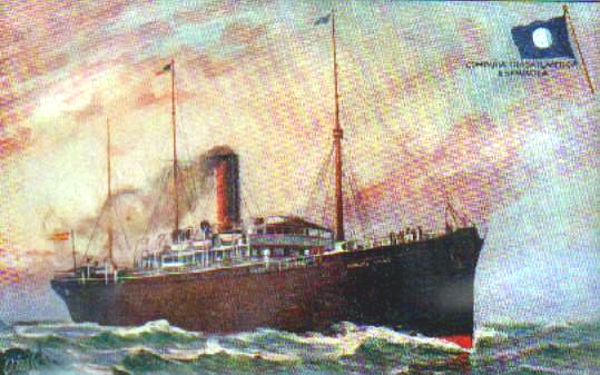
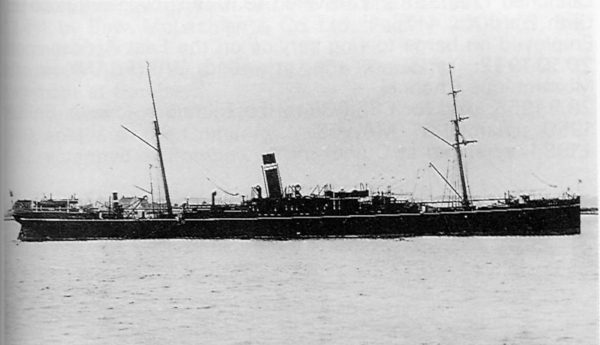
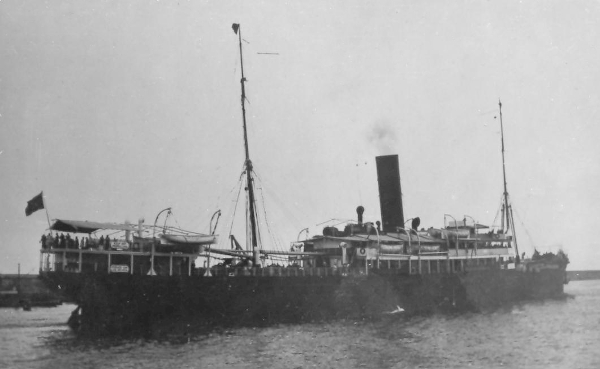
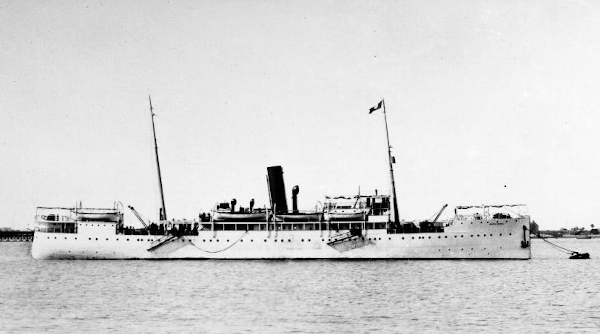
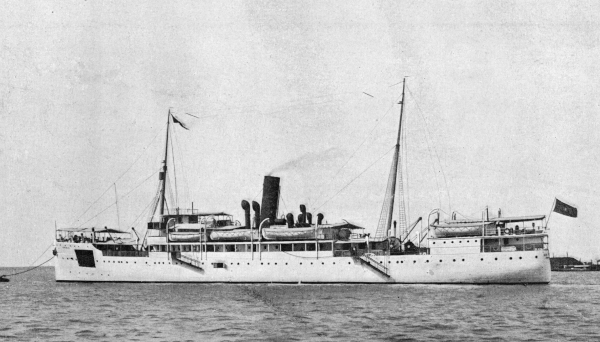
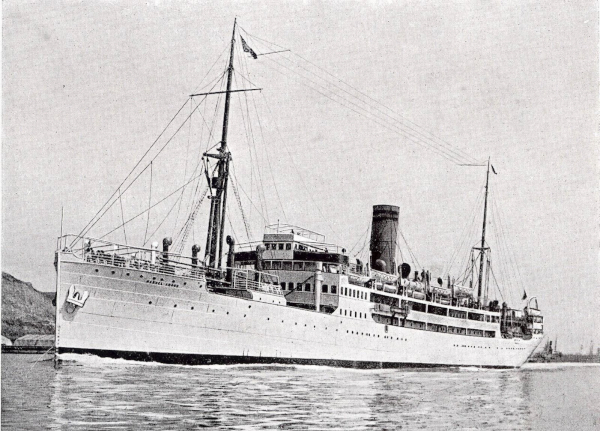
She had a single propeller moved by a triple expansion steam machine with 1,986 H.P. She was bought in 1895 for helping in the transport of soldiers and supplies to Cuba. When the war finished she was returned to her previous owners, as agreed on the sale and purchase contract. After changing several times owner and name was torpedoed in 1915, when named Porto Said. |
| ||||||||||||||||||||||||||||||||||||||||||||||||||||||||||||||||||||||||||||||||||||||||||||
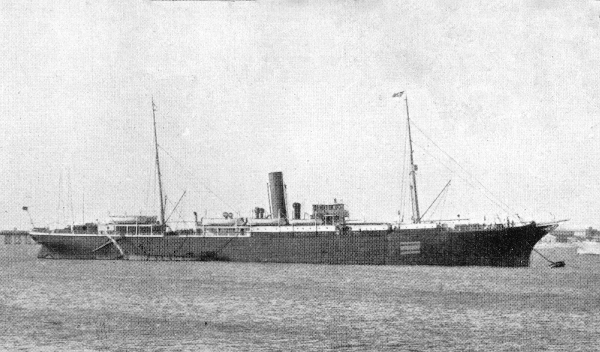
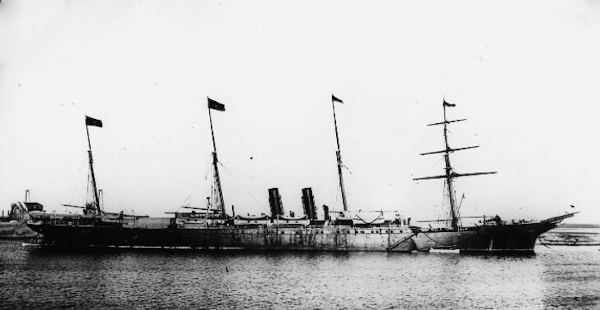
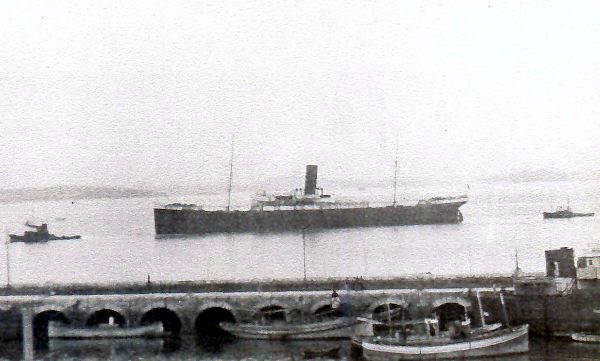
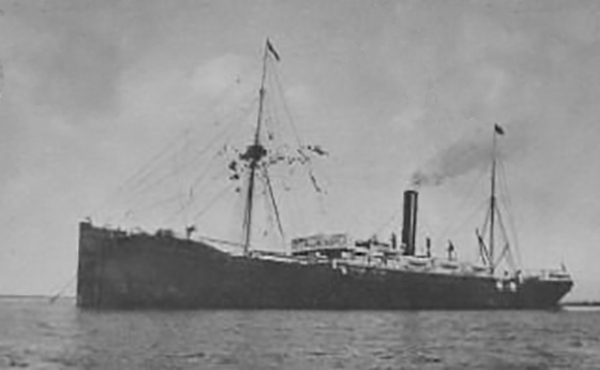
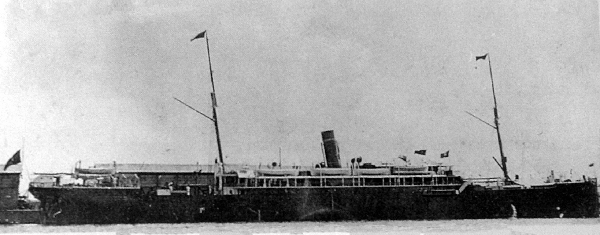
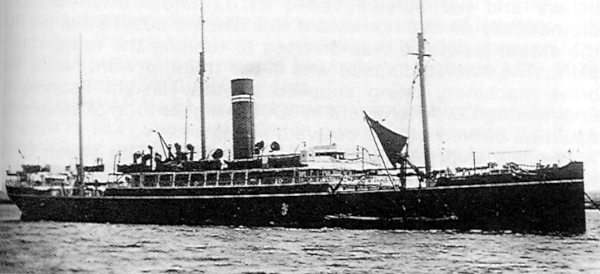
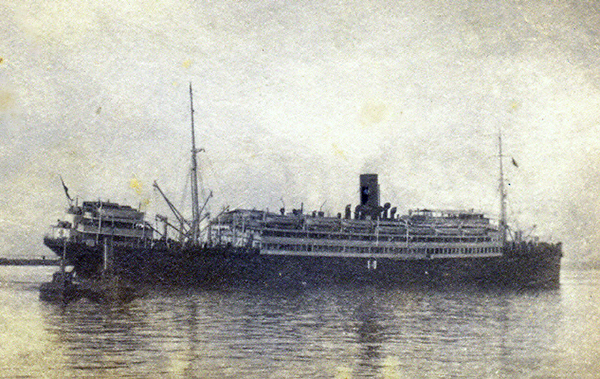
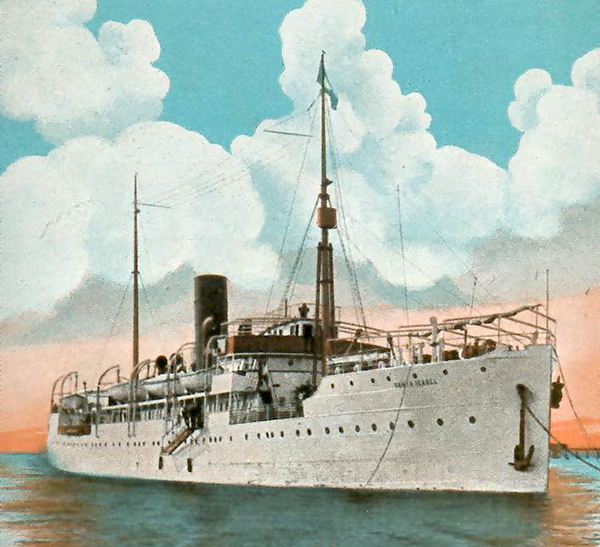
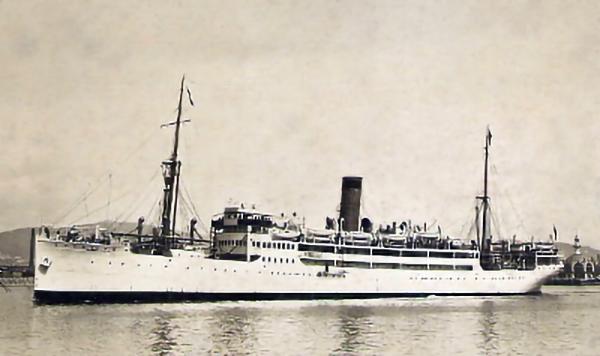
She was bought in 1896 and later converted in troops transport. After the was she wasrepatriating the army, and later returned to her previous owners. what was also agreed on the sale and purchase contract. She was also included in the Escuadra de Cámara. This photo shows her at Port Said on June 1898. |
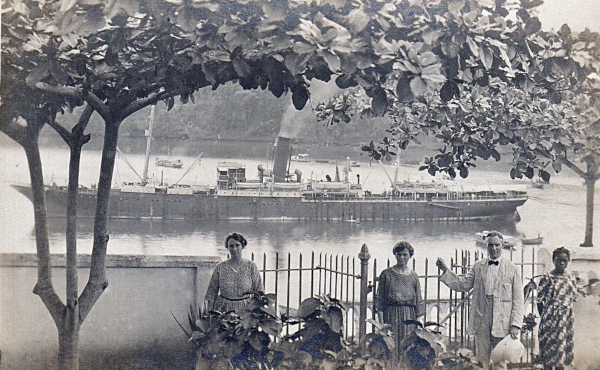
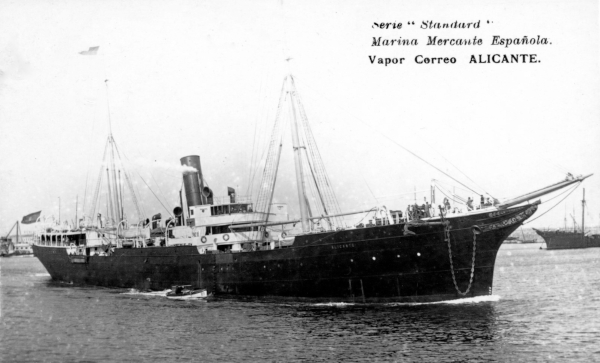
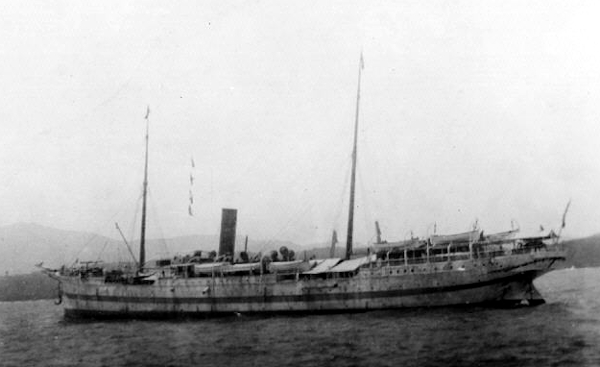
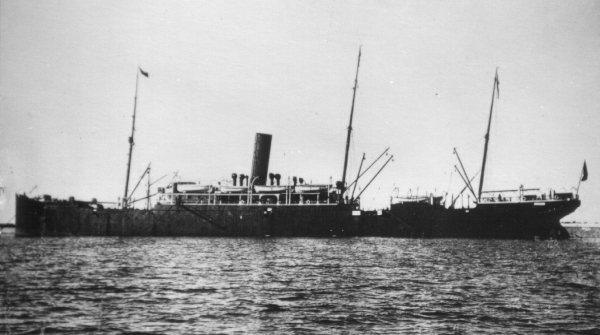
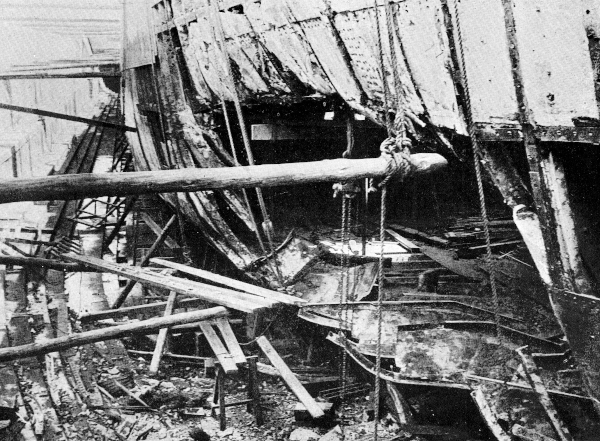
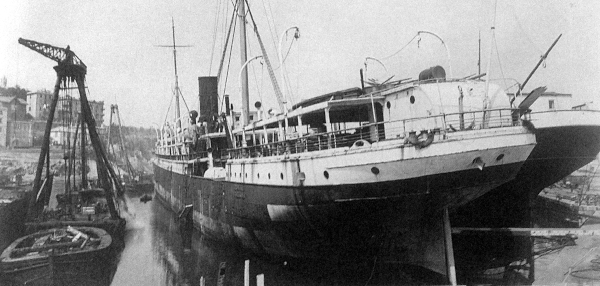
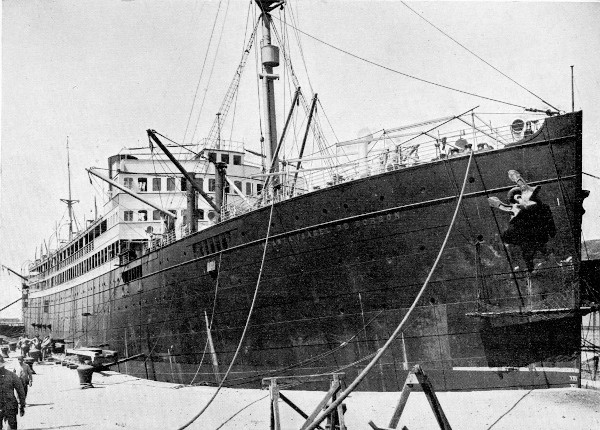
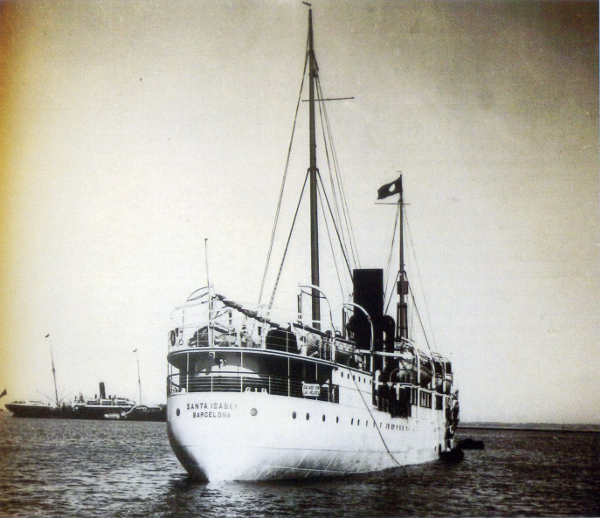
She was bought in 1896 for helping in the transport of soldiers and supplies to Cuba, being converted later in hospital ship, and when the war finished was used for the repatriation of the Spanish troops. After that she returned to the commercial trades, but in 1921 she was again used as hospital ship during the North-Africa conflict. In 1930 she was laid up at Barcelona due to her poor condition, being used since then as coal pontoon for ships bunkering. During the Civil War she was sunk by bombing from planes, being refloated and scrapped after the war.
|
| ||||||||||||||||||||||||||||||||||||||||||||
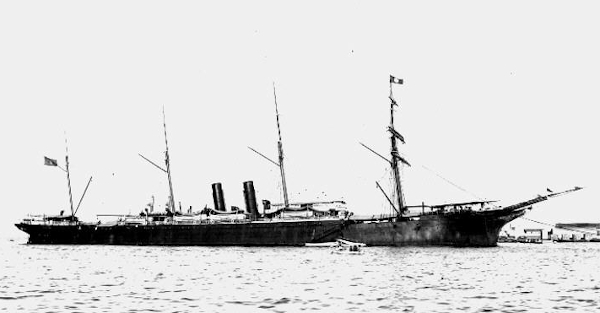
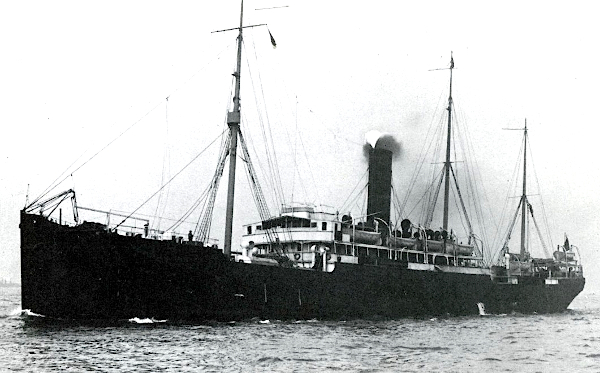
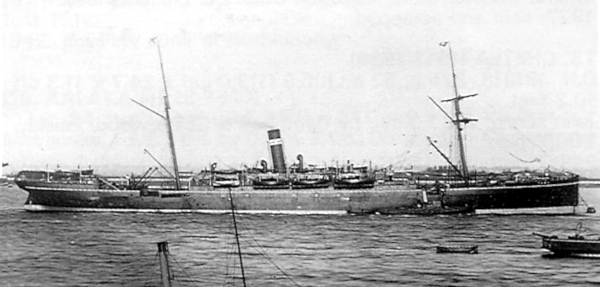
This is a remarkable ship because of her long life. Built for MacIver & Co. in 1892 as Lucania by Armstrong, Mitchell & Co. of Walker-on-Tyne was 5,140 GRT, with a length of 132.9 meters and a beam of 14.6. She had accommodation for 75 passangers in First Class, 300 in Second and 1,000 in Third.
|
She had a triple expansion steam machine with 3,025 H.P. She was built in 1904, when named Westmount. She steamed for some time in the Philippines line and later in América lines, until being scrapped in 1930. |
|
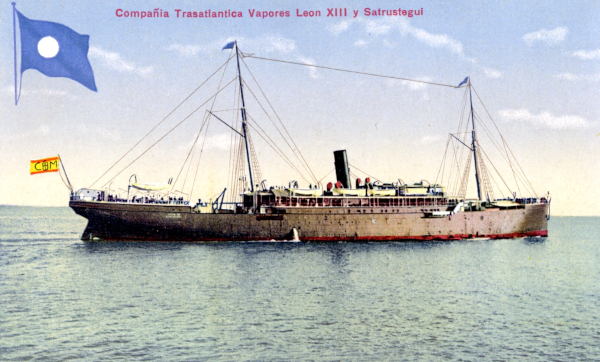
When bought by Trasatlantica in 1894 was renamed P. de Satrustegui and put in the line to Philipines. After taking part in the troop transport was refitted and put in the line to Buenos Aires until scrapped in 1928 at Genoa (Italy).
|
She was built in 1890 and sold in 1908, and broken up in1923. Whilst owned by the British India Associated Steamers was always named Jelunga except when chartered to Trasatlantica. |
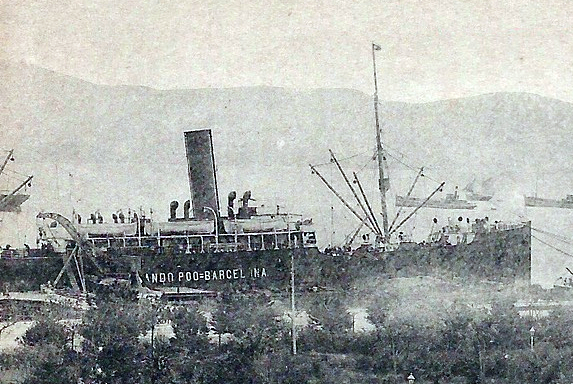
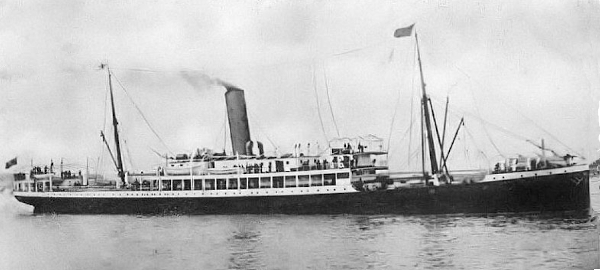
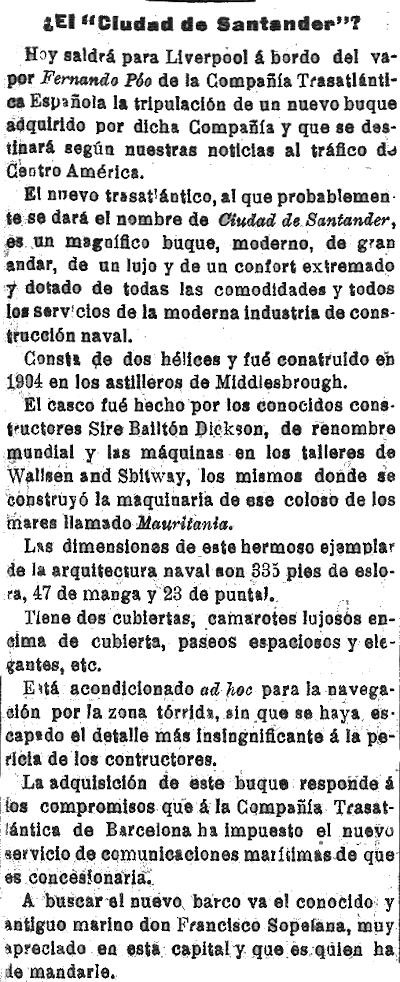
She was built in 1898 by Sir Raylton Dixon and Company Shipyards for the Royal Mail Steamship Packet Company as Severn. She was bought by Trasatlántica in 1910 and renamed Fernando Poo as she was intended for the line of Spanish Guinea, but she was soon dedicated to the Philippines one. In one of the outward trips she grounded on 23/June/1916 on one of the Philippine Islands of the Sulu Sea, when she was already close to her destination. She was lost fortunately without victims. | |||||||||||||||||||||||||||||||||||||||
| |||||||||||||||||||||||||||||||||||||||||||||||||||
|
In 1911 was sold to Trasatlantica and renamed Legazpi. Due to the cancellation of the lines to Philippines and Guinea was sold in 1931 to Trasmediterránea for the Guinea line. In 19 May 1937 was attacked by planes and sank close to Benicarló. After the war she was refloated and scrapped.
| |||||||||||||||||||||||||||||||||||||||||||||||||||||||||||||||||
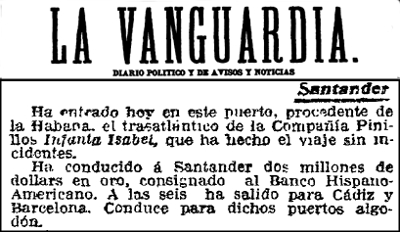
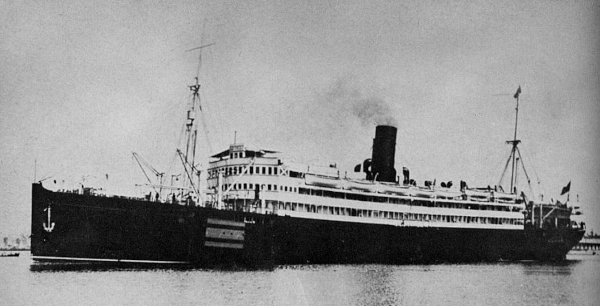
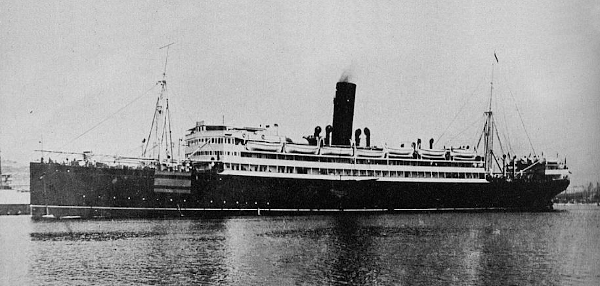
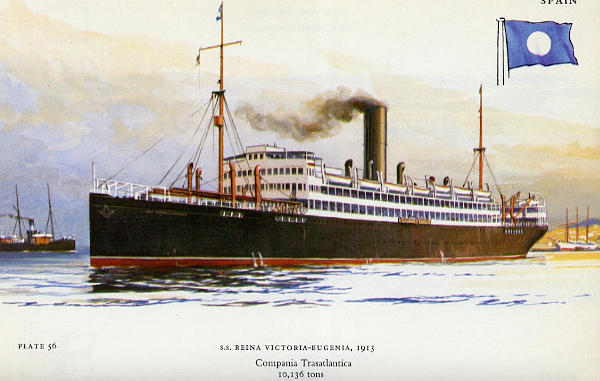
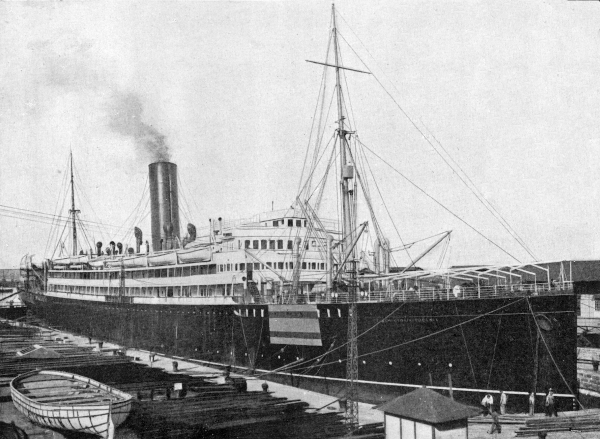
Her original name was Infanta Isabel de Borbón until the arrival of the Republic when she was renamed Uruguay. She had three propellers moved by two triple expansión steam machines and one low pressure steam turbine, which gave her 18.64 knots in trials. After servicing the America lines was confiscated in 1934 by the government and laid up at Barcelona to be used as jail. She was sunk in 1939 due to the plane bombardment during the Civil War and refloated in 1942 to be scrapped at Valencia. |
|
| |||||||||||||||||||||||||||||||||||||||||||||||||||||||||||||||||||||||
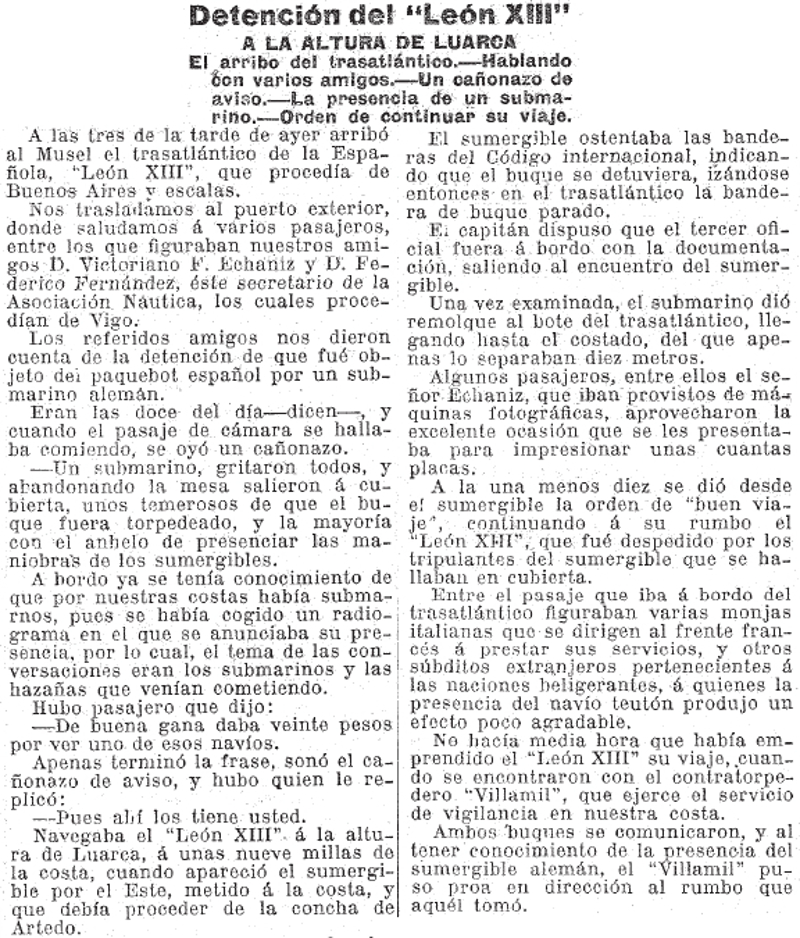
She serviced several of the Trasatlántica lines, to Chile, Cuba, Mexico and United States. In 1941 she was confiscated by the Mexican gouvernment and later sold to the United States. From 25/October/1936 to 27/March/1938 she was detained at Havana. From then at Veracruz.
| ||||||||||||||||||||||||||||||||||||||
 Spanish version